From Farm to Table: The Significance of Quality Food Packaging Products
Quality food packaging is essential in the transition from field to consumer. It plays a pivotal role in protecting freshness, integrity, and flavor. Proper packaging reduces exposure to harmful external factors while also complying with established safety standards. Moreover, it impacts buyer decisions through honest and transparent labeling. As interest in environmentally responsible options expands, the implications for both producers and consumers become increasingly significant. How will innovations in packaging define the next era of food distribution?
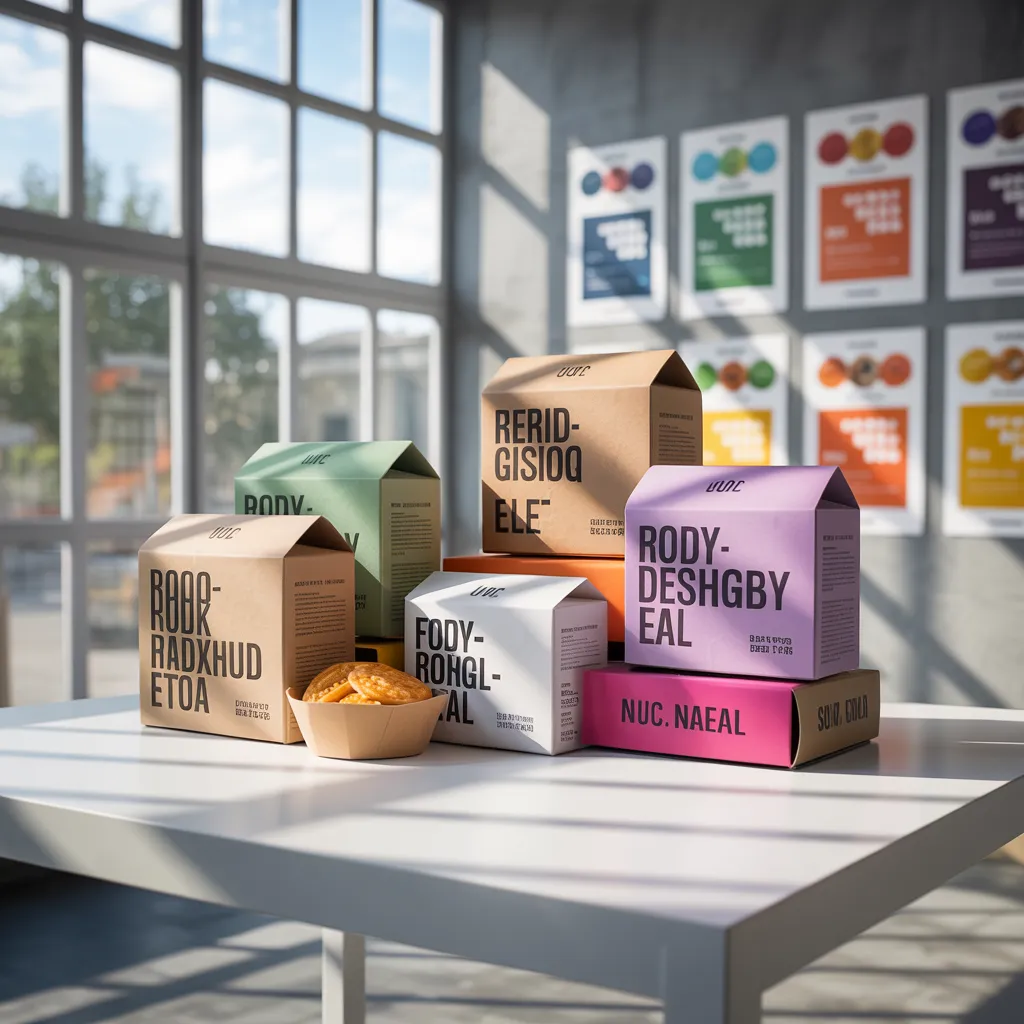
Why Quality Food Packaging Matters for Freshness
Quality food packaging plays an essential role in maintaining freshness. It functions as the foremost protection against environmental elements that can diminish food product quality. High-performance packaging materials form a shield against moisture, oxygen, and light, which are primary contributors to spoilage. Through the use of premium packaging, manufacturers are able to prolong the shelf life of perishable goods, guaranteeing that consumers obtain products that are both safe for consumption and preserve their original flavor and texture.
Furthermore, well-designed packaging can promote ideal storage conditions, further preserving freshness. As an illustration, vacuum-sealed packages can limit air exposure, while modified atmosphere packaging can manage gas concentrations inside the container. Ultimately, investing in quality food packaging is critical for preserving the integrity of food products from production to consumption, ultimately serving both producers and consumers alike.
Food Packaging: Ensuring Safety and Compliance
Ensuring safety and compliance in food packaging is vital for safeguarding the health of consumers and sustaining established industry benchmarks. Food packaging needs to comply with strict regulatory requirements set by regulatory bodies such as the FDA to mitigate risks related to food spoilage or contamination. This requires using materials that are safe for food contact, as well as providing appropriate product labeling that informs consumers about ingredients and allergens.
Manufacturers must carry out thorough evaluations to ensure that food packaging does not release dangerous compounds into consumable goods. Moreover, adhering to hygiene requirements throughout the packaging procedure is essential to avoid cross-contamination risks. Periodic reviews and inspections assist in preserving these standards, fostering consumer trust in food products.
In the end, compliance with safety regulations not only protects public health but also strengthens brand reputation, motivating consumers to select products that emphasize quality and adherence. This commitment is essential for a sustainable food supply chain.
The Significance of Sustainable Materials in Food Packaging
As consumers become increasingly aware of eco-friendly concerns, the desire for sustainable packaging solutions in the food industry has risen substantially. This change demonstrates a shared commitment to minimizing plastic waste and greenhouse gas emissions associated with traditional packaging methods. Sustainable materials, such as biodegradable plastics, recycled paper, and plant-based options, deliver both environmental advantages and greater appeal to conscious consumers.
Using sustainable packaging not only minimizes the ecological footprint but also encourages mindful consumption habits. Businesses that invest in these materials show a dedication to environmental responsibility, which tends to appeal to eco-minded customers. Moreover, sustainable packaging often aligns with legislative directions focused on minimizing waste and supporting recycling efforts.
Including sustainable components into packaging for food is not merely a trend but a vital step toward a more sustainable future. As the market evolves, the focus on green solutions will probably continue to shape professional standards and customer demands, ultimately shaping consumer choices.
How Sustainable Packaging Advancements Build Consumer Trust
Sustainable packaging innovations strongly affect customer loyalty by employing eco-friendly materials that resonate with environmentally conscious buyers. Openness about sourcing and production processes builds lasting brand trust, as consumers increasingly seek transparency from businesses. Additionally, innovative design solutions not only capture interest but also solidify a pledge to environmental responsibility, additionally boosting buyer trust.
Eco-Friendly Materials Impact
A rising number of buyers give precedence to eco-friendly materials in their consumption habits, demonstrating a significant movement towards eco-consciousness. This shift has encouraged packaging producers to develop recyclable, biodegradable, and compostable materials. Such advancements not only minimize environmental impact but also cater to growing expectations for sustainable practices. Companies adopting these eco-friendly methods often gain a strategic benefit, as environmentally aware shoppers are more likely to trust and support them. Moreover, the use of eco-friendly materials can enhance product appeal, communicating a dedication to environmental stewardship. As companies adopt these advancements, they contribute to a larger collective effort championing sustainability, nurturing a shared identity among consumers who champion conscious buying.
Transparency Enhances Brand Loyalty
Trust stands as a pillar of relationships between consumers and brands, particularly in an era where transparency is increasingly valued. Sustainable packaging innovations have become a key element in building this confidence. By utilizing eco-friendly materials and clear labeling, companies express their dedication to responsible practices and ecological stewardship. Shoppers are increasingly inclined to interact with brands that openly disclose sourcing and production processes, strengthening their feeling of affiliation. Such openness not only shapes buying choices but also cultivates long-term loyalty, as shoppers feel in harmony with businesses that reflect their values. As environmental responsibility grows as a key focus in consumer choices, companies that prioritize transparent packaging will tend to enjoy enhanced credibility and stronger relationships with their audience.
Innovative Design Solutions
Innovative design approaches in food packaging serve a crucial function in elevating consumer trust. By utilizing green materials and environmentally responsible practices, brands showcase their pledge to both excellence and sustainability. Biodegradable options and reusable containers not only reduce waste but see here also attract eco-conscious consumers, building brand loyalty. See-through packaging designs let consumers observe the product, affirming authenticity and quality assurance. Moreover, smart technology, such as QR codes, can provide detailed information about manufacturing and sourcing practices, enabling consumers to make educated purchasing decisions. These developments collectively build a robust connection between brands and consumers, as trust is cultivated through openness and environmental responsibility. At the end of the day, creative design in food packaging can notably shape consumer perception and purchasing decisions.
Reducing Food Waste Through Effective Packaging Design
Efficient packaging design serves a vital purpose in reducing food waste by employing cutting-edge materials and intelligent solutions. These innovations not only extend product shelf life but also boost consumer convenience. By focusing on functionality and sustainability, packaging can considerably decrease spoilage and elevate the overall food experience.
Advanced Packaging Materials
A significant portion of the food generated around the world is wasted due to insufficient packaging solutions. Revolutionary packaging materials are becoming an essential component in tackling this problem. Biodegradable films and compostable containers are being designed to reduce environmental impacts while maintaining food quality. Active packaging, which incorporates elements that remove excess moisture or oxygen, aids in prolonging shelf life and minimizes food degradation. Furthermore, advanced sensing materials that offer visual indicators or color changes about product condition are gaining traction. These advancements not only improve product shelf life but also minimize food waste, supporting more environmentally responsible practices. As the global food market evolves, embracing these innovative materials will be fundamental in establishing strong defenses against food waste and guaranteeing food arrives to consumers at peak quality.
Intelligent Design Solutions
Innovative design approaches serve a crucial role in decreasing food waste by improving packaging efficiency and practicality. Effective packaging can extend shelf life through features such as vacuum sealing and resealable closures, which maintain freshness and reduce spoilage. Additionally, transparent materials allow consumers to assess product quality visually, encouraging well-informed buying choices. By incorporating portion control designs, producers can further reduce unnecessary food preparation, matching portion sizes to consumer requirements. In addition, clear labeling that accurately conveys expiration dates and storage directions improves consumer awareness, decreasing the likelihood of premature disposal. Ultimately, innovative packaging designs not only protect food but also encourage responsible consumption, contributing greatly to sustainable practices in the food industry.
How Packaging Shapes Your Brand's Image
Awareness plays an essential role in how consumers connect with brands, and packaging serves as the first impression that defines this understanding. Effective packaging conveys a brand's identity, quality, and values, affecting consumers' buying choices. It acts as a quiet advocate, capturing interest on busy shelves and conveying important facts about the product.
Moreover, the design of packaging can trigger emotional responses and generate a memorable experience, making it unforgettable. Materials, colors, and typography align with a brand's core identity, strengthening trust and recognition. Sustainable packaging, for example, can engage green-minded customers, improving long-term brand loyalty.
Conversely, inadequate packaging can undermine a brand's reputation, suggesting low quality or carelessness. In a competitive market, effective packaging not only sets a product apart but also strengthens the brand's story, rendering it vital for businesses to strategically prioritize their packaging approaches. In the end, packaging is a fundamental element in establishing a lasting connection with consumers.
Emerging Trends in Food Packaging Solutions
As consumer preferences evolve, evolving trends in food packaging are focusing more on eco-friendliness and practicality. Companies are now directing their attention toward sustainable materials and simple designs that cut down on waste. Developments including edible packaging and reusable containers are growing in prominence, helping companies attract sustainability-minded customers.
In addition, smart packaging technologies are gaining momentum, integrating features such as QR codes that deliver product information and improve traceability. This shift not only elevates customer engagement but also promotes transparency in sourcing and production practices.
In addition, the need for pre-portioned packaging is increasing, reflecting consumers' demand for efficiency and decreased food waste. Companies are reacting by launching ready-to-use options that address busy, active lifestyles.
Questions We Often Receive
What Costs Come With High-Quality Food Packaging?
The costs associated with high-quality food packaging consist of raw materials, production methods, and design-related costs. Furthermore, expenditures on sustainability initiatives and adherence to regulations tend to add to the overall financial burden, influencing both profitability and the strategies used to price products for consumers.
How Can Consumers Identify Quality Packaging Products?
Buyers can distinguish high-quality packaging options by inspecting materials for resilience, confirming airtight seals, searching for clear labeling, evaluating eco-friendliness, and recognizing recognized certifications that indicate quality and safety benchmarks in food packaging.
What Part Does Packaging Play in Transporting Food?
Packaging plays an essential function in food transportation by safeguarding products against contamination, maintaining freshness, and ensuring safety. It additionally supports streamlined handling, decreases waste, and improves product visibility, ultimately contributing to customer satisfaction and trust.
Do Certifications Exist for Sustainable Food Packaging?
Yes, various certifications exist for environmentally conscious food packaging, including FSC (Forest Stewardship Council), Cradle to Cradle, and compostability certifications. Such certifications verify sustainable practices, making certain that packaging materials comply with sustainability benchmarks throughout their lifecycle.
How Can Businesses Implement Better Packaging Practices?
Companies can adopt improved packaging strategies by adopting eco-friendly materials, streamlining designs to reduce waste, utilizing recyclable options, and dedicating resources to innovative technologies that improve sustainability while maintaining product safety and freshness across the supply chain.
Comments on “Find Affordable Food Packaging”